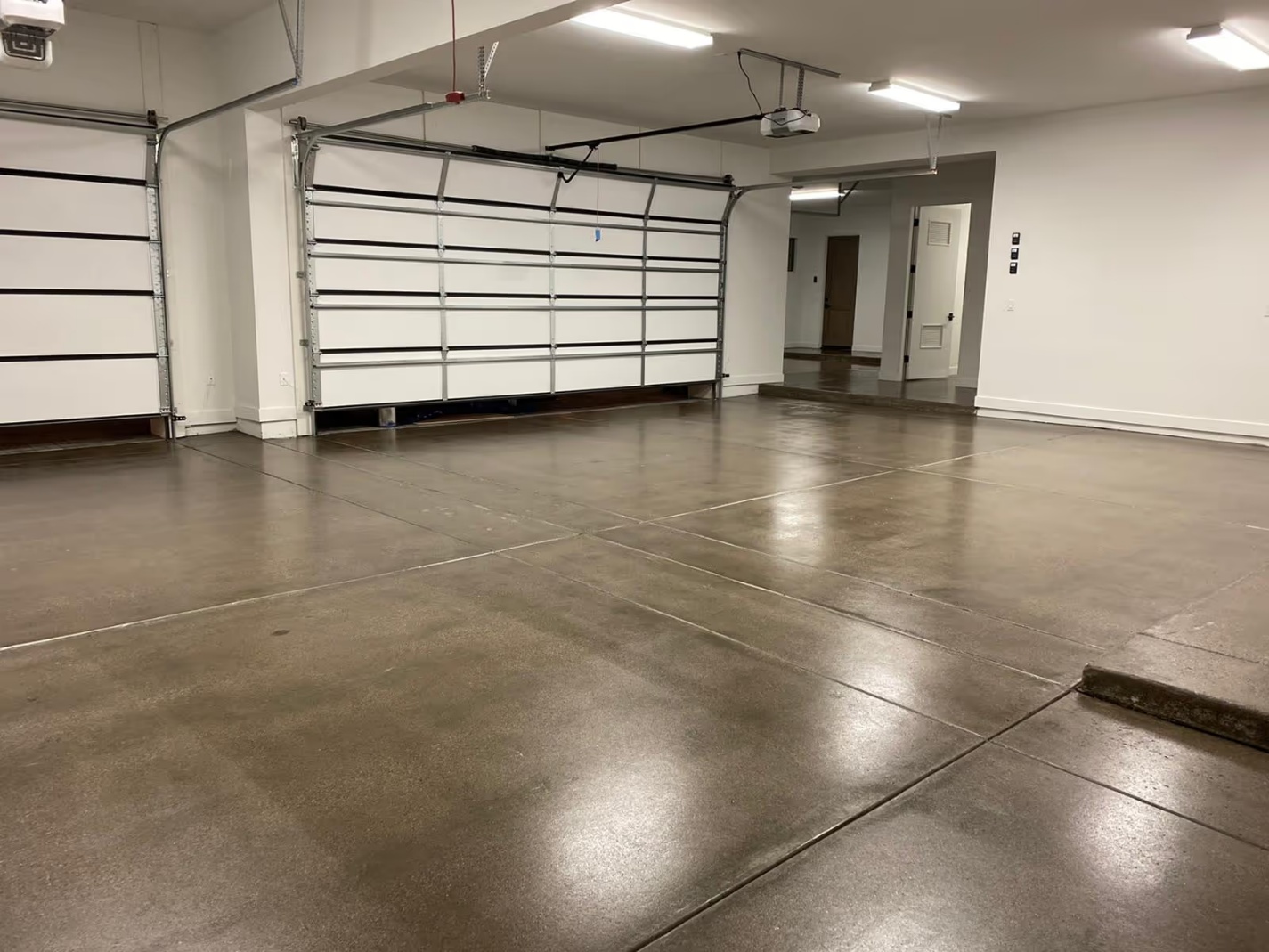
Choosing a suitable floor can change how a garage looks, feels, and functions. Concrete is already common in garages, but an unfinished slab may collect stains, dust, and marks from everyday use. Homeowners often consider different finishing options when they want a cleaner and more organized space. Polished concrete and coated garage surfaces can both provide useful solutions, but they are not designed in the same way. Understanding their characteristics, maintenance needs, appearance, and suitability can make the comparison easier.
Understanding Polished Concrete
Polished concrete involves mechanically refining the existing concrete surface to create a smoother and more finished appearance. The process can involve grinding, honing, and polishing the slab through progressively finer stages.
One advantage of this approach is that it works with the existing concrete rather than covering it with a separate coating system. The final appearance can range from a relatively simple finish to a more refined surface depending on the process and desired result.
Before choosing polished concrete, inspect the condition of the existing slab. Cracks, stains, uneven areas, and previous repairs may influence what finish can realistically be achieved.
Consider the Existing Slab
The condition of your concrete should be one of the first things considered. A flooring professional can inspect the surface and identify areas that may require repairs or preparation before the final treatment.
Concrete with significant cracking, contamination, or previous coatings may require additional work. The condition of the slab can also influence the final appearance of a polished surface.
If the garage has experienced moisture problems, mention them during the consultation. Understanding the condition of the floor before selecting a finishing method can help prevent unexpected preparation work later.
Comparing Garage Flooring
Garage flooring can include several different systems, including epoxy coatings, polyaspartic coatings, tiles, and other surface solutions. Each option has different characteristics and can suit different garage environments.
When comparing systems, think about how the garage is used. A homeowner who primarily parks vehicles may have different priorities from someone who regularly repairs cars, uses power tools, or stores heavy equipment.
Traffic, moisture, cleaning requirements, appearance, and budget can all influence the most appropriate choice.
Think About Daily Garage Use
The activities taking place inside the garage should influence the flooring decision. Vehicle tires can bring in dirt and moisture, while workshops can expose the surface to tools, automotive fluids, and other materials.
If the garage doubles as a recreational or hobby space, appearance and comfort may become more important. A space used for storage may instead prioritize easy cleaning and practical organization.
Make a simple list of how the garage is used throughout a typical week. This can help identify which flooring characteristics matter most.
Compare Appearance Options
Both polished concrete and coated surfaces can provide a more finished appearance than ordinary unfinished concrete, but their visual styles can differ.
Polished surfaces often retain the natural character of the concrete, including variations in aggregate and subtle differences across the slab. Coated floors can offer more opportunities for color selection, decorative flakes, patterns, and other finishes.
Consider the overall appearance of your garage before deciding. Cabinets, storage systems, walls, lighting, and work areas can all influence which flooring style looks most appropriate.
Consider Maintenance
Every garage floor needs regular cleaning. Dirt, dust, tire residue, and other debris can accumulate regardless of the finishing system.
Ask how the proposed surface should be maintained and which cleaning products are recommended. A simple routine of sweeping and occasional washing may be suitable for some systems, while certain finishes may require more specific care.
It is also useful to understand how stains, scratches, and small areas of wear should be handled. Knowing the maintenance process beforehand makes long-term care easier.
Think About Moisture
Moisture can enter a garage from rain, wet vehicles, cleaning activities, or the concrete slab itself. This should be considered before selecting a flooring solution.
If moisture is moving through the concrete, discuss the condition with the flooring professional. Testing may be appropriate before installation or surface treatment. The garage’s drainage should also be reviewed. A finished floor should work with the existing drainage arrangement rather than being expected to correct persistent water-management problems.
Consider Installation Requirements
The preparation process can differ considerably between flooring systems. Polishing generally involves mechanical treatment of the existing concrete, while coatings may require grinding, cleaning, repairs, and multiple application stages.
Ask how long the project is expected to take and whether the garage can be used during different stages. Vehicles and stored belongings may need to be removed before work begins. Understanding these requirements can help you plan the project around work schedules, vehicle use, and household activities.
Think About Long-Term Needs
The best flooring choice is not necessarily the one that looks most impressive immediately. Consider how the garage may be used several years from now.
You may eventually add storage cabinets, workbenches, exercise equipment, or other features. Think about whether the selected flooring will continue to suit those changes. A professional consultation can help compare the options based on the condition of the slab, expected traffic, maintenance, appearance, and future use.
Conclusion
Polished concrete and other garage flooring systems can each provide useful benefits, but the right option depends on the specific garage. Start by assessing the existing concrete and then consider daily activities, moisture, maintenance, appearance, installation requirements, and plans. Taking time to compare these factors can help you avoid choosing a surface based only on appearance. If you are exploring professional garage flooring options, dialedinepoxy.com can be a useful starting point for learning about available solutions and deciding which approach may suit your space.
