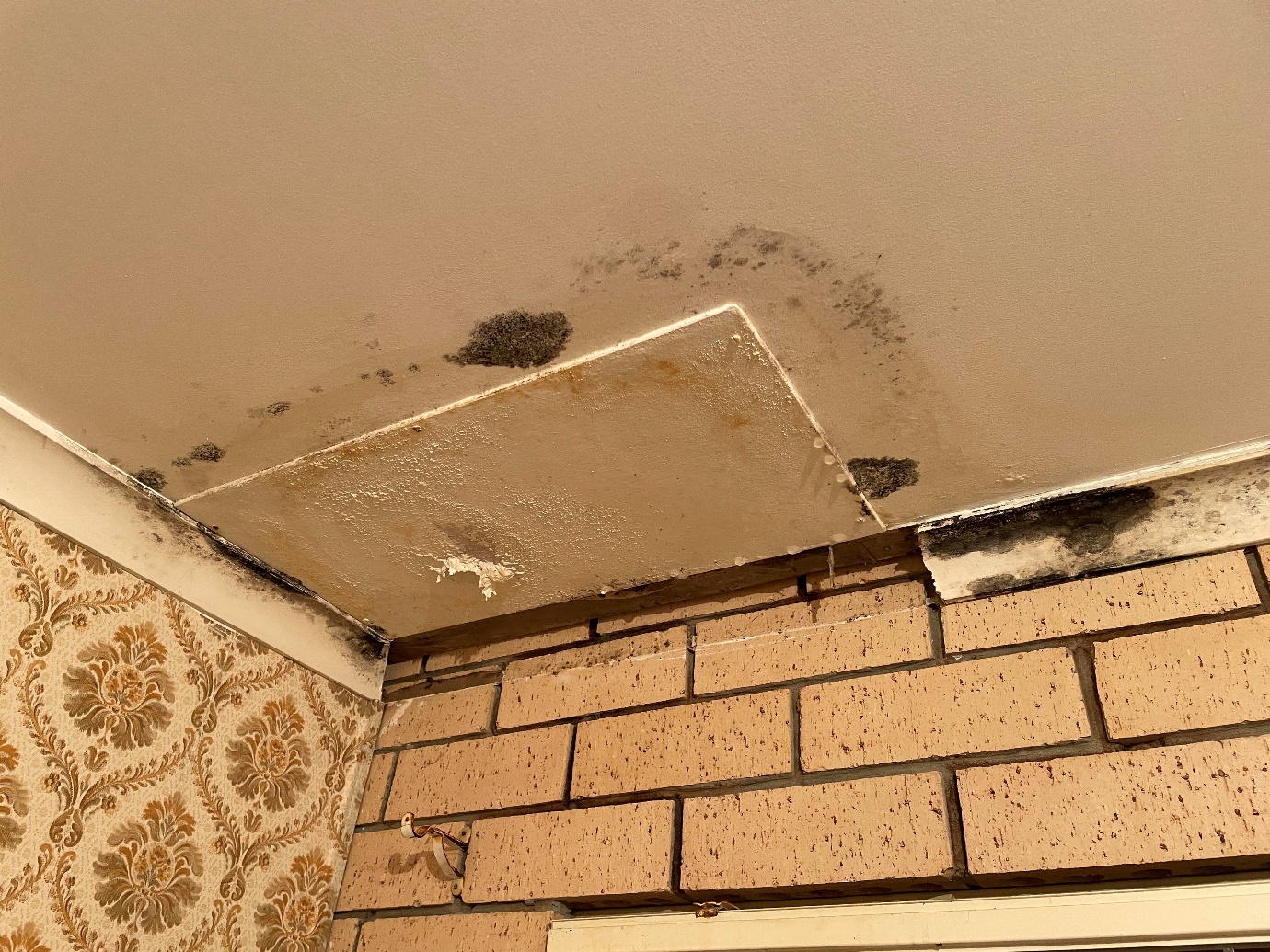
For some renters, the most frustrating part of a maintenance problem is not the original leak but watching the same damage return after several repair visits. A stain disappears beneath fresh paint, yet dampness develops again weeks later. When repeated complaints fail to produce a lasting solution, guidance from a tenant mold lawyer may help renters understand their rights and determine whether the circumstances involve a potential housing habitability violation.
Why Temporary Repairs Can Create Larger Problems
A maintenance visit may address the visible effects of moisture without resolving its source. Painting stained drywall or cleaning a damaged surface can temporarily improve a room’s appearance.
However, the underlying problem may continue if leaking pipes, inadequate waterproofing, or another moisture source remains uncorrected. A lasting repair generally requires identifying why the affected area became wet.
Distinguishing New Damage From Recurring Damage
Tenants should pay attention to whether moisture appears in the same location after repairs. Recurrence may indicate that the original condition was not fully resolved, although a separate new problem is also possible.
Clear photographs and dated maintenance records can help distinguish a recurring problem from an unrelated incident. This distinction may become important when evaluating the adequacy of previous repairs.
Understanding a Landlord’s Legal Responsibilities
California residential landlords generally must maintain rental units in a condition fit for occupancy. Qualifying problems involving water intrusion, significant mold, or other health and safety hazards may require corrective action.
When a dispute develops, a mold claim lawyer can evaluate whether the available evidence supports a legal claim. Relevant considerations may include the landlord’s knowledge, the seriousness of the condition, the opportunity to make repairs, and whether the tenant suffered legally recognized harm.
Why Written Maintenance Requests Are Valuable
Verbal reports can alert a property manager to a problem, but written requests help establish exactly what information was provided. They also make it easier to review the history of previous complaints.
A clear message should identify the affected room, describe visible conditions, and explain whether the problem has occurred before. Tenants should avoid speculating about technical causes unless a qualified professional has identified them.
What Tenants Should Document After Each Visit
Maintenance records become particularly useful when several repair attempts produce different results. Each visit offers an opportunity to record what work was completed and whether the affected area improved.
A practical record might include:
-
The date and reason for the maintenance visit
-
The work described by the repair professional
-
Photographs before and after repairs
-
Any continuing moisture or visible damage
-
Copies of subsequent written complaints
Accurate descriptions are more valuable than emotional or exaggerated statements when another professional later reviews the situation.
Knowing When Professional Inspection May Help
Some moisture problems are difficult to evaluate without specialized knowledge. A qualified inspector may be able to identify concealed water intrusion, assess damaged materials, or recommend further testing.
Testing is not automatically necessary in every situation. The need for professional evaluation depends on the extent of the problem, available evidence, and the questions that remain unresolved.
Tenants should also understand that an inspection report describing contamination does not, by itself, establish legal responsibility.
The Risks of Taking Independent Action
After repeated delays, renters may consider arranging repairs themselves, withholding rent, or leaving the property. Although California law recognizes certain tenant remedies, the requirements depend on the facts.
Acting without understanding these requirements can create additional legal complications. Before taking a significant step, tenants should obtain appropriate advice about notice, documentation, repair obligations, and potential consequences.
Considering the Effect on Daily Life
Recurring moisture problems may interfere with ordinary activities, particularly when rooms become difficult to use, or repairs require access to personal spaces.
Tenants should maintain records of any actual expenses or disruptions associated with the condition. Temporary accommodation receipts, damaged-property records, and written communications may help explain the practical consequences.
However, inconvenience alone does not guarantee compensation. The availability of damages depends on the legal basis of the claim and the supporting evidence.
Moving Toward a Lasting Resolution
A productive resolution should address the source of the moisture rather than simply conceal visible damage. Clear communication, reliable inspection findings, and appropriate repair work may prevent further disagreements.
When cooperation fails, tenants may need to explore local housing enforcement processes or legal remedies. The appropriate response should reflect the seriousness of the condition and the available evidence.
Conclusion
Repeated maintenance failures can leave tenants uncertain about their rights and the condition of their homes. Keeping a reliable record of complaints, repairs, and recurring damage helps establish what occurred and whether further action is appropriate. California housing laws provide protections for qualifying habitability problems, although each situation requires individual assessment. Renters looking for information about persistent mold conditions and potential legal remedies can explore the resources at mehdlaw.com.
